More Than 90 Minutes: Arsenal’s Legacy as the Culture Club
Beyond the pitch, Arsenal influence fashion, music, and culture, proving football is bigger than just 90 minutes.

Football is often described as a 90-minute game in which fans entrust their emotions to 11 millionaires on the pitch. Yet, beyond those 90 minutes, the real question emerges: how does a football club connect with its supporters in a way that feels genuine and authentic?
Some clubs excel at this more than others - whether through fashion collaborations, clever social media, or aligning with influential figures in art, music and style. But one club has consistently stood out as being more in tune with culture than the rest: Arsenal. Long regarded as football’s “culture club”, the question is - what makes them deserve that title?
So, what does it really mean to be the ‘Culture Club’?
When I think of the “culture club”, I think of a club that recognises the role people of colour play within football - but also beyond it, and provides a safe haven where they can freely express themselves, from fans to players alike. It’s about creating an environment that doesn’t just tolerate diversity but actively celebrates it.
Arsenal have done this by not only giving players of colour a platform on the pitch, but also by catering to their fans through services, goods and campaigns that reflect their backgrounds, stories and identities. It’s an appreciation rooted in genuine recognition, rather than tokenism - an understanding that football culture is inseparable from black culture and other communities of colour.
This authenticity is what strengthens Arsenal’s bond with supporters worldwide, making them feel seen, valued, and part of something larger than just the game.
From Humble Beginnings to the Wenger Era
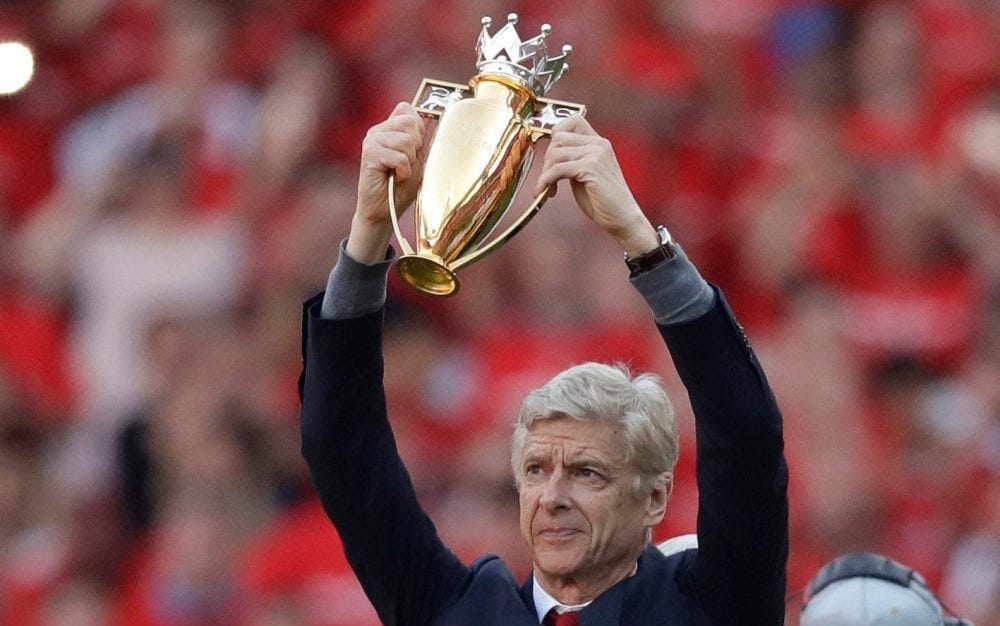
Arsenal was founded in 1886 on the premise of building a sense of community for ammunition workers, offering them an escape from the harsh realities of daily life. That spirit of togetherness has remained at the heart of the club ever since. But fast forward to 1996, and with the arrival of Arsène Wenger (for the longest time I thought Arsenal was named after Arsène Wenger), the foundations of what became the “culture club” truly began to take shape.
A relatively unknown Frenchman at the time, Wenger became a cultural turning point in English football, often credited with revolutionising the game. His methods, initially seen as strange and unconventional, soon became the standard. From introducing a more scientific approach to training, to implementing diets and nutritional methods largely unheard of in English football, Wenger changed how players prepared and performed.
The impact was immediate on the pitch. Wenger replaced George Graham’s pragmatic, defensive style - immortalised in the famous chant “1-0 to the Arsenal” - with a more fluid, flair-driven brand of football. Arsenal quickly transformed from a side seen as boring into one of the most exciting teams in the league, inspiring rivals to adopt elements of his philosophy. When Wenger entered the league, he was one of just two non-English managers, and his success opened the door for a wave of foreign coaches who would go on to reshape the Premier League.
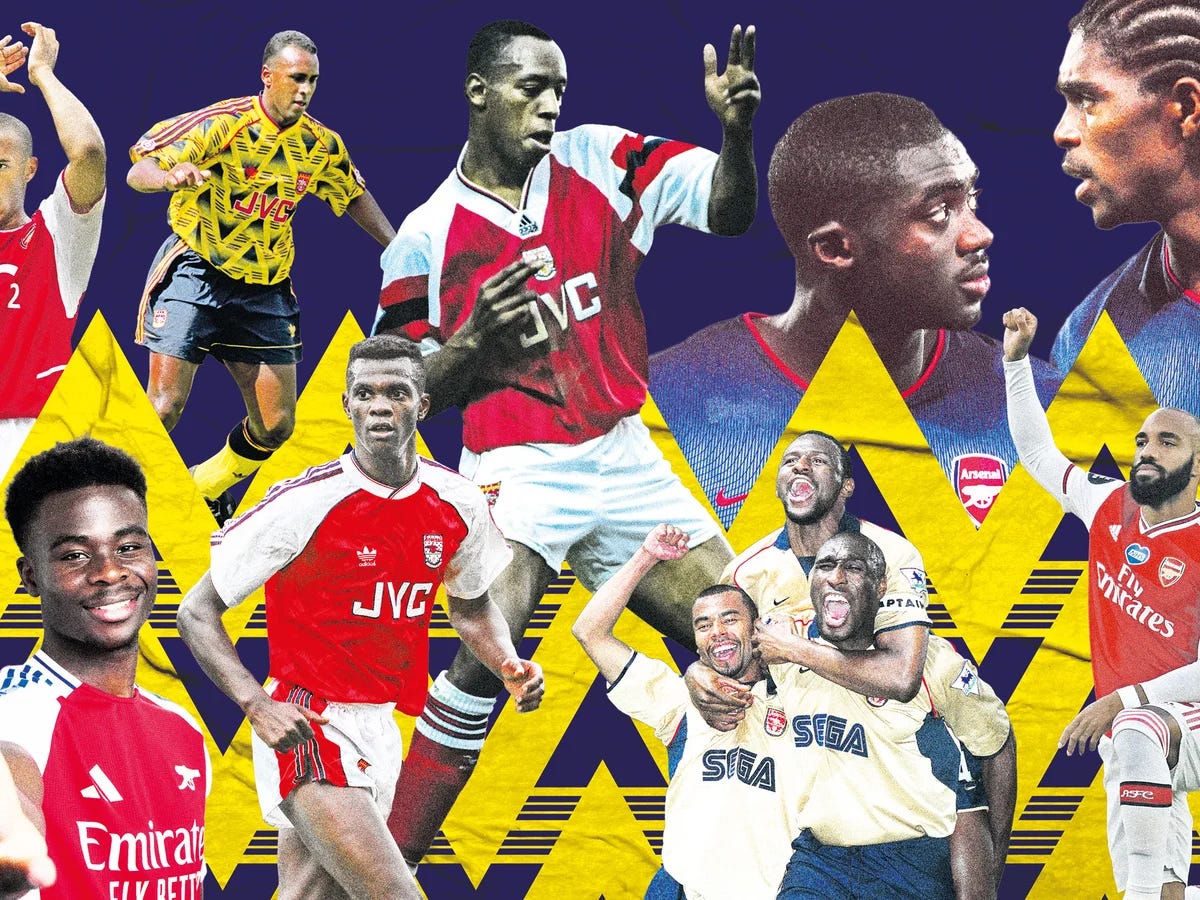
Under Wenger, Arsenal also became a symbol of inclusion. The rise of black footballers was central to his era, with legends such as Patrick Vieira, Thierry Henry, Ian Wright and many more defining a generation. At a time when black players were still poorly protected, Arsenal stood out as a club of representation and opportunity, becoming the first side in Premier League history to field an all-black outfield team - a cultural milestone that resonated deeply across black communities worldwide.
Fashion, Beats, and Football
In a previous article, I mentioned that black culture is what sets trends and shapes influence - and Arsenal have clearly recognised that. Despite being one of the most successful clubs in the world, they are arguably the team that has pushed the boundaries the furthest when it comes to fashion and cultural relevance. As I’ve written before, football culture is fashion culture, and Arsenal embody that idea more than most, with numerous streetwear and blokecore-inspired kits.
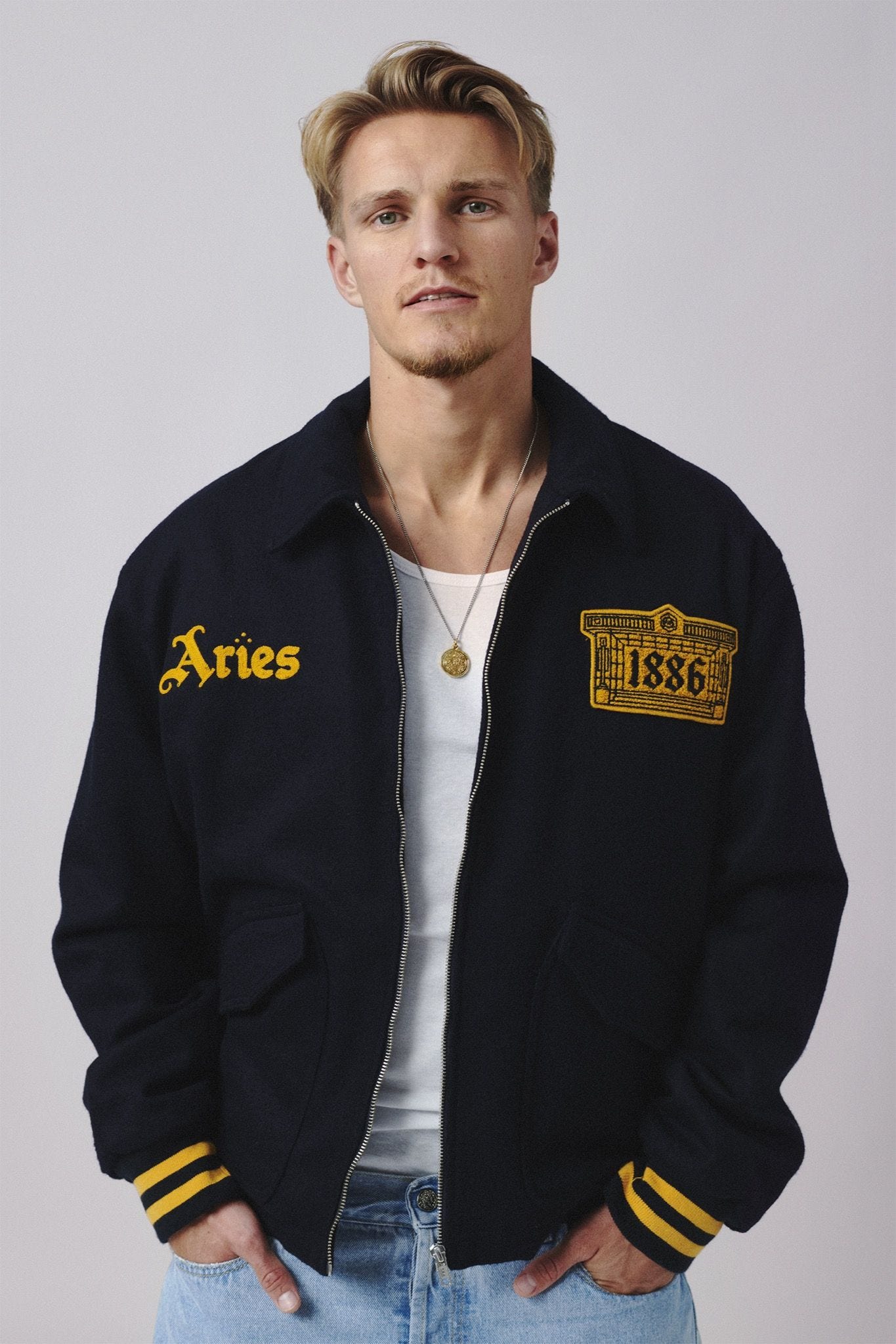
Any club can collaborate with a fashion brand, but with Arsenal there always seems to be more intention and authenticity. From partnerships with Aries, Labrum London, Humanrace and, more recently, NTS, Arsenal have consistently chosen brands that may not be the biggest names globally but are genuine needle-movers within the streetwear scene. Being based in London, a multicultural hub, the club reflects and caters to that diversity.
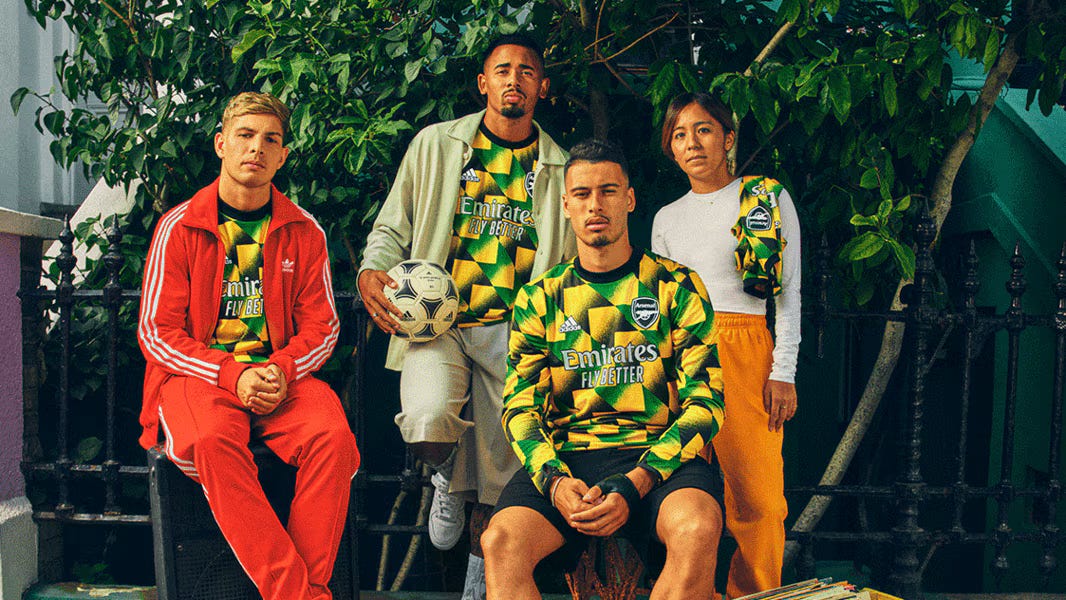
A prime example came in 2022, when Arsenal released a Jamaica-inspired pre-match kit. It wasn’t just the design that stood out, but the timing, the launch came just before the iconic Notting Hill Carnival, a vibrant celebration of Caribbean culture. Drops like this, combined with perfect cultural timing, reinforce Arsenal’s “culture club” identity and bring in new sets of fans. Since then, the club has continued with other Jamaica-inspired releases, strengthening that connection.
But Arsenal don’t just stop at fashion; they also attach their brand to young and upcoming musical acts, showing a commitment to nurturing creative talent. While it would be easy to bring in established global stars, the club’s willingness to support emerging artists pushes their cultural relevance even further. When Arsenal re-released their famous ‘bruised banana’ kit, they paired it with a track by then-rising artist Bakar. His song Hell N Back has since exploded, amassing over 600 million streams on Spotify, earning a remix with Summer Walker, and landing him a feature on a Justin Bieber album. Another example is AntsLive, whose track Number 1 Candidate - tied to Arsenal’s content, has racked up over 11 million streams
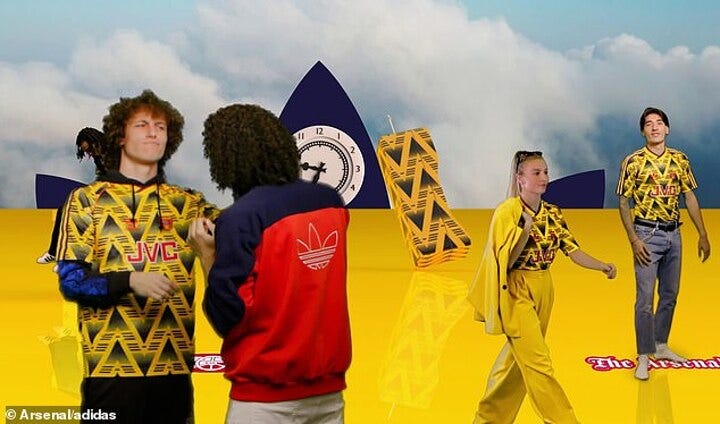
These are just two examples of Arsenal having their finger firmly on the cultural pulse - not following trends, but helping to shape them.
Empowering the Game: How Arsenal Support Women’s Football”
Arsenal were the first club in English football to invest seriously in the women’s game, helping to make football more accessible for all. That early commitment laid the foundations on which women’s football has been built.
In the early and mid-2000s, women’s football lacked diversity due to limited investment - meaning only those with financial resources could succeed. As a result, the game was largely dominated by white players. Arsenal, however, became a pioneering club that brought women of colour into the spotlight, turning them into icons and making Arsenal Women the most successful team in English women’s football.
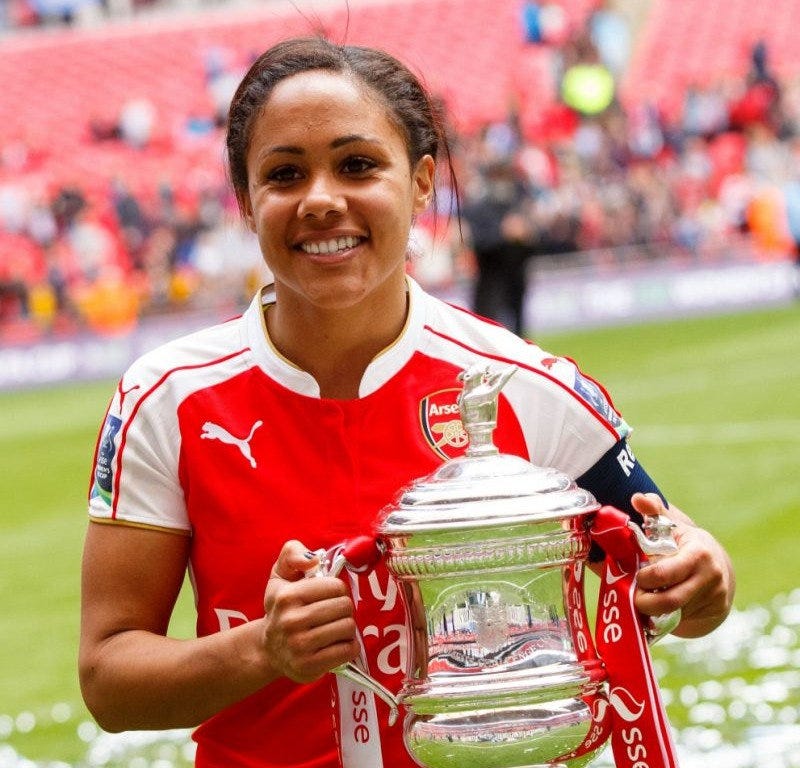
The likes of Rachel Yankey, Alex Scott, Danielle Carter and Lianne Sanderson are just some of the players of colour who helped shape and pioneer the women’s game, allowing young girls at the time to feel seen and represented in what was then an overwhelmingly white sport
From Club Heroes to Cultural Icons
As mentioned earlier, Arsenal became a place where black players and players of colour could feel protected and safe. The club went on to become the birthplace of many footballing cultural icons and some of the game’s most admired pundits.
Traditionally, ex-players who became pundits often came across as unlikeable to wider audiences - names like Gary Neville, Jamie Carragher, and a large portion of Manchester United’s legends have, at times, pushed narratives that were overtly racist or carried racial undertones towards players of colour. In contrast, it has often been Arsenal legends such as Ian Wright, Thierry Henry, and Sol Campbell who have pushed back against these narratives, challenging their white counterparts and providing a voice of balance.
This stance has made Arsenal figures deeply respected within black communities and beyond, cementing their status as cultural icons. As I’ve mentioned before, black culture often defines what is seen as “cool” - and figures like Wright and Henry embody that. Ian Wright, for example, is affectionately seen as everyone’s uncle, while Thierry Henry carries the aura of being “your favourite player’s favourite player.”
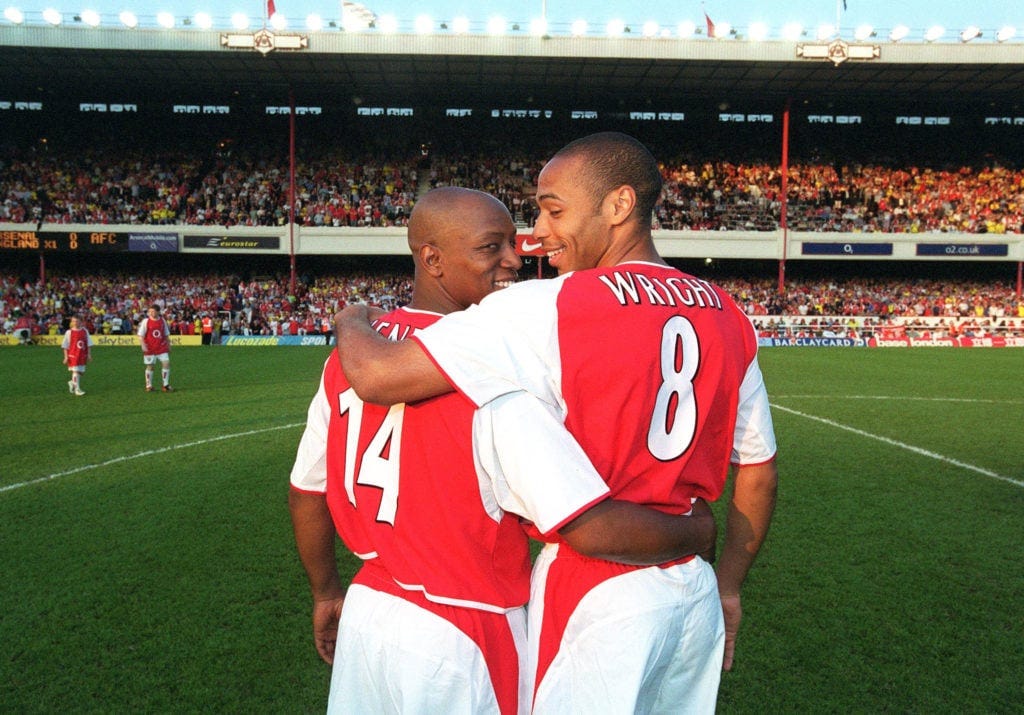
The same applies in the women’s game, with figures such as Alex Scott and Rachel Yankey continuing that legacy of cultural influence and representation.
Arsenal Football Club continue to lead the way in celebrating culture, and all signs suggest they will carry on doing so, remaining a place where people of all colours, genders and backgrounds can come together for more than just 90 minutes, united by their love for the game. As an Arsenal fan from Cape Town, following the club through TV and social media, I feel seen and represented through their ongoing commitment to multicultural campaigns. It’s this authenticity and inclusivity that make Arsenal more than just a football club they are, and will remain, the true culture club
.